

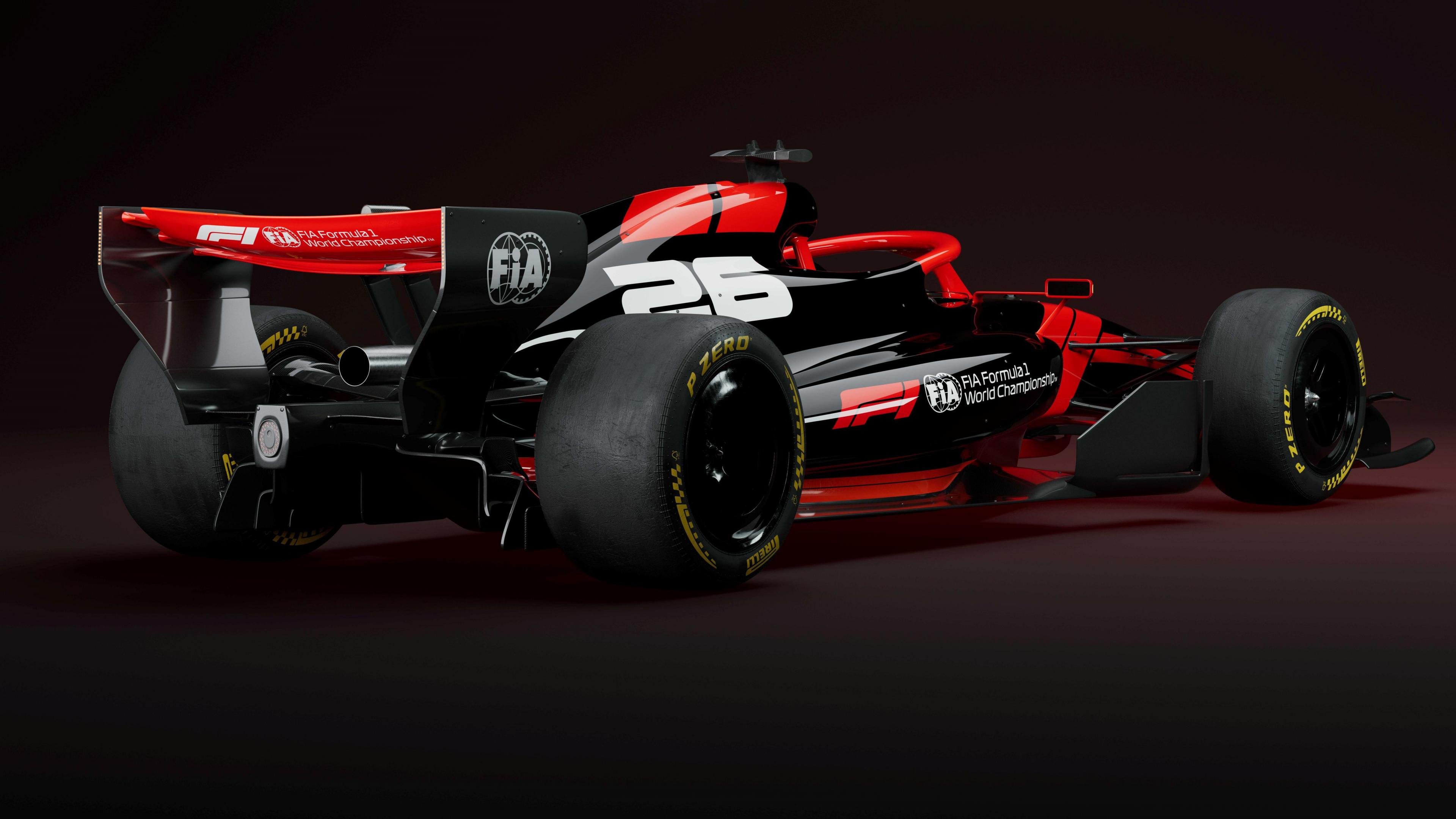
The 2026 Formula 1 cars are set to be smaller, nimbler and more environmentally friendly compared to current models.
F1 has unveiled the new vocabulary that will be used to describe the intricate details of its revolutionary 2026 regulations.
The racing series is implementing what is arguably the largest regulation change in its illustrious history for the 2026 campaign, featuring revised car and engine specifications and the compulsory introduction of eco-friendly fuels.
The updated 1.6-litre V6 turbo hybrids, which keep the hybrid V6 layout, boast a substantially higher electrical capacity, driving major innovations in the aero packages.
During grand prix events, competitors will tactically deploy battery power – sometimes even qualifying laps – to extract the best result.
Wide-ranging research were conducted with a mix of viewers, including new, casual and core fans, to determine which phrases would aid comprehension of the main elements of the 2026 changes.
The stated goal was to present a range of advanced features of the racing as accessible as possible for the global fanbase.
Consequently, initial designations for some systems – such as "modes labelled X and Z" for the adjustable aero – have been phased out in favor of intuitive labels that clearly indicate the actual function of the technology.
Key Technical Innovations
According to rule-makers that competitors will have increased agency to determine tactics regarding energy deployment, harvesting, and efficiency.
The upcoming changes introduce a range of settings that will be visually displayed on TV overlays to aid the viewers' comprehension of the race battle.
- Overtake Mode: This supersedes the existing Drag Reduction System. It provides a surge of additional ERS power available when a car is less than a second the car ahead to facilitate an overtaking maneuver.
- Extra Push Mode: This is a on-demand energy deployment from the energy recovery system that can be deployed for attack or defence. It delivers the pilot maximum power at the push of a button.
Both of these key functions will have to be managed carefully, as the available electrical charge is capped.
- Adjustable Aero: Both the nose and rear wings move automatically – spreading on the high-speed sections for low aerodynamic resistance and higher speed, and angling down in the corners for peak grip.
- Energy Harvesting: Cars can recharge the energy store with energy harvested under braking, or during coasting at the straight's end or in sections where only limited engine output is required.
2026 Car Specifications
The next-generation machines will be reduced in size and weight than this year, with a distance between axles cut by 200mm to 3,400mm, car width cut by 100mm – down to 1,900mm – and the lowest permissible weight lowered by 30kg.
Cumulative downforce is anticipated to be reduced by approximately fifteen to thirty percent, although constructors will undoubtedly recover some as they refine their designs.
Aerodynamic drag has been cut by 40%. The cars will utilize adjustable aero systems – front and rear wings will open on the straights to cut resistance and boost top speed and click back into place for optimal grip in corners.
Tyres will keep the current rim size, but the tyres themselves will be narrower, by 25 millimetres on the front axle and 30 millimetres on the rear axle.
What's Changing in the Engines?
The new power units will have an near-equal balance in horsepower generated by the internal combustion engine and the battery and motor, up from about 20% electrical in the current formula.
The energy recovery system is streamlined through the deletion of the complex turbo energy recovery device, the intricate and expensive unit that harvested power from the turbocharger.
All vehicles will be mandated to operate on fully sustainable fuel, produced using biomass or lab-created processes.


